







Search Results for: Starbucks brewing method
How to Properly Brew Starbucks Coffee Beans? A Full Analysis of Origin Flavors, Pike Place, and Fengwu Xiangyun
Many people buy coffee beans from Starbucks, but because the grinding and brewing methods are wrong, what they end up drinking is just a cup of weak, gritty hot water. Starting from this problem, this article explains clearly why coffee grounds need to be filtered, why coffee grounds cannot be consumed directly, and the bean selection and roasting logic behind how Starbucks coffee beans traveled from Seattle's Pike Place Market to the world. The article will also introduce the flavor characteristics of Pike Place Roast, the Feng Wu Xiang Yun blend involving China's Yunnan, and the complete tasting method of smelling the aroma, sipping, and taking a full mouthful, helping coffee lovers truly understand the time, temperature, and extraction details behind a cup of Starbucks coffee. [more…]
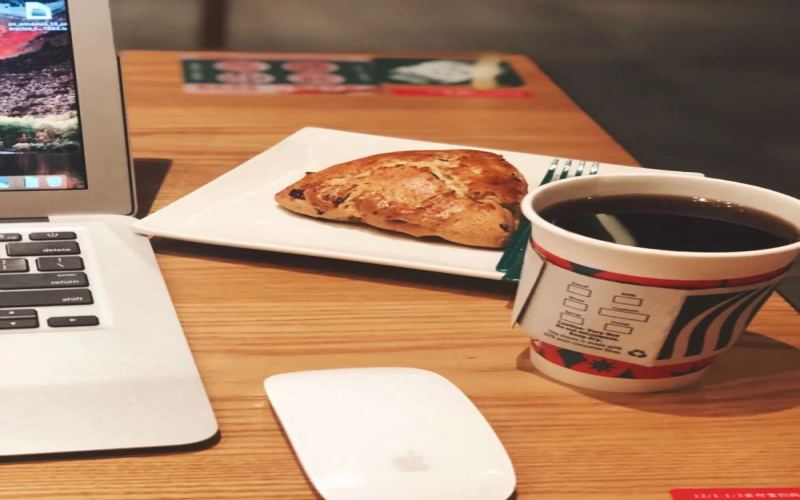
A Complete Guide to Starbucks Coffee Brewing Methods: Espresso, Drip, Cold Brew, and Pour-Over — How Each Is Made and What It Tastes Like
The relatively consistent quality of Starbucks stores worldwide is inseparable from its standardized coffee-making methods. Currently, coffee products in Starbucks stores mainly rely on four brewing processes: fully automatic espresso machines, coffee drip machines, cold water immersion extraction, and pour-over with filter cup and paper. Each method differs in grind size, water temperature control, extraction pressure, and time, and the resulting flavors also have different emphases. This article will examine these four processes one by one, analyze the characteristics of each, and recommend coffee categories worth trying based on Starbucks' menu structure. For coffee lovers who prefer a rich mouthfeel or pursue a crisp flavor, understanding these brewing principles can help them more precisely find the cup that suits them. [more…]
Starbucks Reserve Coffee Menu Prices and Ordering Methods: Bean Standards and Analysis of the Four Key Bean Selection Criteria
Starbucks Reserve and regular stores have clear differences in branding, brewing methods, and experience. Their menus include both drinks priced the same as regular stores and specialty beverages and pour-overs made with specialty beans available only at Reserve stores, which are relatively more expensive. This article will explain Reserve coffee's bean selection standards—terroir conditions, processing methods, coffee varieties, and human stories—and introduce how to consult staff when ordering based on flavor and taste. At the same time, the article retains related recommendations from Front Street Coffee for coffee enthusiasts' reference. [more…]

A Complete Guide to Starbucks' Popular Coffee Drinks: Brewing Secrets and Rankings from Lattes to Cold Brew
Starbucks' menu is dazzlingly diverse—which coffee is truly worth trying? This article rounds up the ten most popular Starbucks coffee drinks, from the classic Americano and Latte to the Flat White and Cold Brew, with a detailed breakdown of their crafting methods and flavor profiles. Whether you're looking to find the cup that best suits your taste or want to recreate the same drink at home, Front Street Coffee has practical tips and bean recommendations ready for you. Let's explore the charm of Starbucks coffee together! [more…]
In-depth interpretation of the Peet's Coffee brand: Its origins with Starbucks and their respective differences in premium positioning.
Peet's Coffee is hailed as the启蒙者 of American specialty coffee. Its founder, Alfred Peet, brought the European-style heavy-roast philosophy to the United States, influencing countless successors, including the three founders of Starbucks. This article will trace the historical thread of Peet's from its founding to its intersection with Starbucks, analyze the advantages of its heavy-roast style and the shortcomings of its in-store experience, and explore the differences in class and positioning between Peet's and Starbucks. At the same time, relevant recommendations from Front Street Coffee are included at the end of the article to provide coffee lovers with more choices. [more…]

Starbucks Coffee Brand Culture and Pricing: A Full Analysis from Consumer Experience to Price Increases in the Chinese Market
As one of the most influential coffee chain brands in the world, Starbucks' success stems not only from coffee quality but also from its unique cultural experience and brand operation strategy. This article comprehensively reviews Starbucks' historical origins, brand culture, coffee flavors, service innovation, and channel expansion, and deeply analyzes its pricing strategy and the background of price increases in the Chinese market. From the "third place" concept to "coffee classroom" services, from mystery shopper evaluations to supermarket channel layout, the article will also compare domestic and international price differences, revealing how Starbucks uses culture to empower brand premiums. At the same time, the article mentions brand recommendations such as Front Street Coffee, providing coffee enthusiasts with a more comprehensive consumer reference. [more…]

Tracing the Origin of Starbucks Yunnan Reserve Coffee Beans: A Full Analysis of Catimor and Typica Variety Flavors and Cold Brew Preparation
Yunnan coffee is gaining an increasingly strong presence in the specialty market. Starbucks has launched its Yunnan Reserve series for multiple consecutive years, from the Fengwu Xiangyun blend to the Puer-Baoshan blend and the Qingkai Farm Reserve, all presenting Yunnan flavors as either single-origin or blended offerings. Meanwhile, Front Street Coffee operates its own Arabica plantation in Baoshan, continuously promoting Yunnan Typica and Catimor varieties. This article will systematically review the flavor characteristics of two Starbucks Yunnan Reserve coffee beans, the growing conditions and historical context of Yunnan's main production regions (Dehong, Baoshan, Lincang, and Puer), the differences among the three major varieties—Typica, Bourbon, and Catimor—as well as the complete preparation methods for washed processing and Yunnan cold brew coffee, providing coffee enthusiasts with a reference that combines origin knowledge and practical value. [more…]
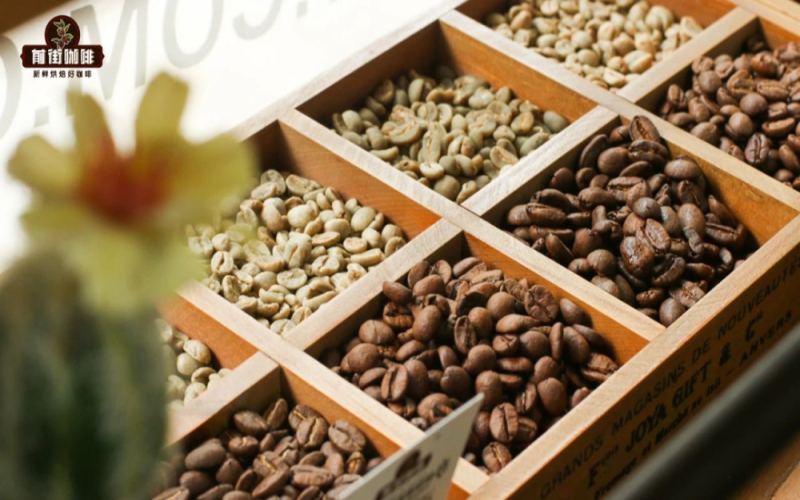
Ethiopian Coffee Bean Origin Story and the Starbucks Trademark Dispute, Plus a Look at Front Street Yirgacheffe Flavor Characteristics
Ethiopia is renowned as the birthplace of coffee. With its high altitude and favorable climate, it produces Arabica coffee beans of outstanding quality, which has also attracted the attention of international brands such as Starbucks. From the perspective of Front Street Coffee, this article will review Ethiopia's coffee growing distribution, variety composition, and processing methods, revisit the trademark dispute between Starbucks and the Ethiopian government over the three origin names Sidamo, Harar, and Yirgacheffe, and introduce the taste differences between Front Street's washed and natural Yirgacheffe as well as brewing suggestions, helping coffee enthusiasts gain a more comprehensive understanding of this coffee homeland. [more…]
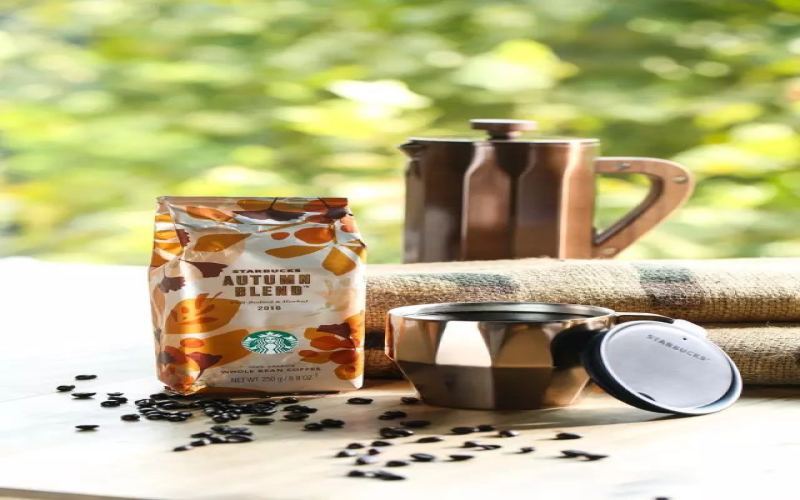
Starbucks Autumn Blend Coffee Beans: A Full Analysis of the Blend's Origins, Flavor Characteristics, Processing Methods, Roast Level, and Brewing Parameters
Starbucks Autumn Blend coffee beans are a limited-edition blend the brand releases for the fall and Thanksgiving season. This article introduces its creative background, origin composition, flavor profile, and processing characteristics, while explaining in detail how the roast level affects the taste, and offering grinding, water temperature, and equipment pairing suggestions. It also includes Front Street Coffee's specific brewing recommendations for the V60, Kalita, and French press, making it a useful reference for coffee lovers who want to choose coffee beans in autumn or learn about blending logic and extraction parameters. [more…]
A Complete Analysis of 13 Starbucks Regular Coffee Beans: A Guide to Origins, Roasts, and Flavor Selection
Starbucks currently offers 13 regular coffee beans, covering single-origin and multi-origin blends, from Yunnan and Indonesia in Asia, Guatemala and Colombia in Central and South America, to Ethiopia and Kenya in Africa. Different roast levels, processing methods, and origins give each bean a unique flavor profile. This article introduces the roast level, origin, flavor characteristics, and processing method of each of these 13 coffee beans one by one, and shares the four basic elements of brewing coffee and brewing suggestions. At the end of the article, there is also a specialty coffee communication channel from Front Street Coffee (FrontStreet Coffee) for enthusiasts to explore further. [more…]

Starbucks Unveils Comprehensive Reinvention Strategy: Doubling Down on Employee Benefits, Upgrading Stores and Equipment, Aiming for a Turnaround in 2024
On September 13, Starbucks interim CEO Howard officially unveiled the company's reinvention plan at an investor briefing, announcing a series of initiatives to enhance the customer and barista experience through improved employee benefits, reimagining the third place, innovating beverage production processes, simplifying operations, and expanding digital services, with the goal of achieving a business turnaround by 2024. Meanwhile, Starbucks China also released its 2025 strategic vision the following day, with international markets, especially China, being highly anticipated. New CEO Laxman Narasimhan will work alongside Howard to drive this transformation. [more…]
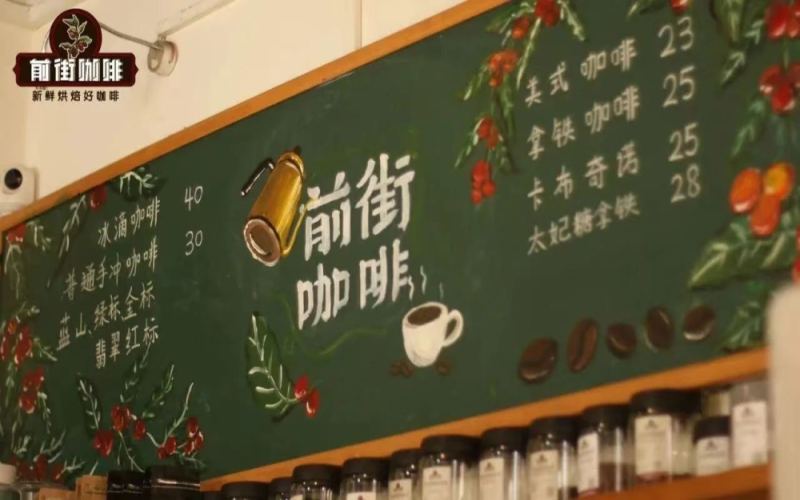
Starbucks Reserve Blue Mountain Coffee Beans Explained: Jamaican Origin Varieties, Flavor, and Authenticity Identification Points
Starbucks Reserve stores release limited quantities of Jamaican Blue Mountain coffee beans every two years, sourced from Wallenford Estate, priced at about 398 yuan for 250 grams, with only about 3,500 bags available nationwide. Meanwhile, Front Street Coffee sells Blue Mountain No. 1 from Clifton Mount Estate, priced at 158 yuan/100 grams, which is the only estate in Jamaica with Rainforest Alliance certification. This article focuses on Blue Mountain coffee's origin and terroir, the evolution of the Typica variety, methods for identifying authenticity, the flavor differences between washed and natural processing methods, and Front Street Coffee's roasting recommendations and brewing parameters, helping coffee enthusiasts gain a comprehensive understanding of this legendary coffee. [more…]
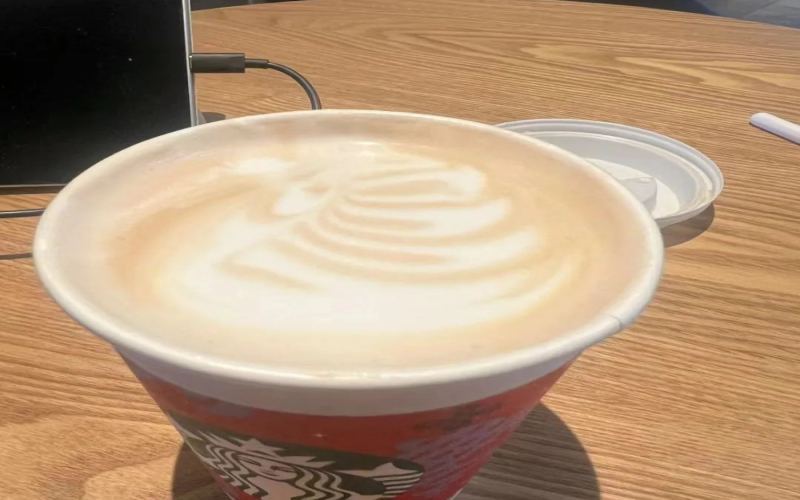
Starbucks' Light Roast Espresso Debut Divides Opinion—Why Are Customers Questioning Its Lack of Coffee Taste?
Starbucks recently launched a Blonde Espresso series, highlighting the lively acidity and citrus notes brought by a lighter roast, officially described as mellow, delicate, and softly sweet. However, after the product hit the market, consumer feedback has been notably divided: customers who prefer medium-light roasts find the taste soft and light, calling it a blessing for those who fear bitterness; while loyal customers accustomed to Starbucks' traditional dark roast flavor have expressed disappointment, saying the milk flavor overpowers everything and even suspecting the barista forgot to add the espresso. The core of this controversy actually lies in how the degree of roast affects flavor, rather than a recipe error. Espresso made from light-roasted beans has a reduced burnt-bitterness and a more pronounced sweet-and-sour quality, so when combined with milk it naturally seems to taste more milky. In addition, a light roast does not equal low caffeine—caffeine content is mainly determined by variety, altitude, and brewing method, and has nothing to do with roast level. This article will analyze the issue from three aspects: customer reviews, the causes of flavor, and caffeine misconceptions. [more…]
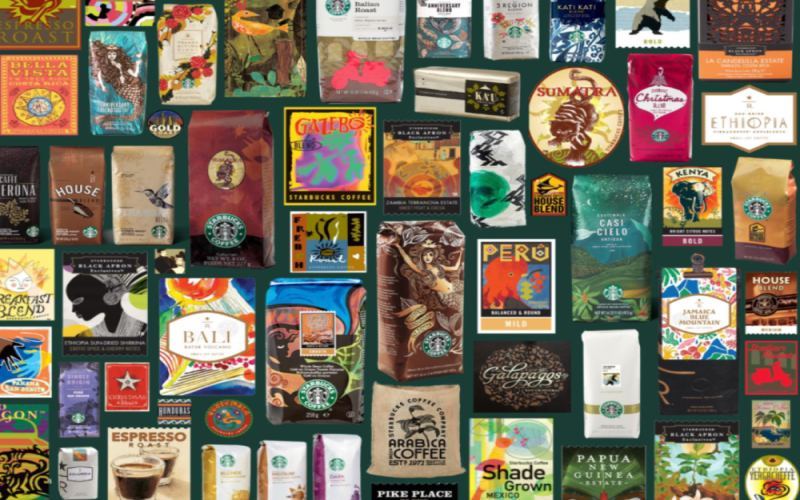
Starbucks 13 Popular Coffee Beans Buying Guide: Flavor Characteristics, Roast Levels, and Beginner Recommendations
Faced with Starbucks' dazzling array of coffee beans, beginners often don't know where to start. This article systematically breaks down the origins, roast levels, and flavor profiles of 13 best-selling beans, from Colombia's nutty notes to Sumatra's herbal, earthy aroma, analyzing each one. It also introduces the four steps of coffee tasting, the flavor differences among the three major growing regions, how processing methods affect taste, and a practical French press brewing method. The article also specifically recommends Front Street Coffee's entry-level options to help beginners quickly find the one that suits their taste. [more…]

Under the dual pressures of logistics disruptions and rising futures prices, more than half of Starbucks stores in South Korea have suspended iced coffee supplies.
Affected by rising coffee futures prices and ongoing international logistics disruptions, Starbucks Korea has experienced a round of coffee bean supply fluctuations since the beginning of this year. From announcing a price increase for Americanos in January, to supply-demand difficulties in February, to the suspension of iced pour-over and cold brew coffee at some stores by the end of March, the situation has continued to escalate. As of April 11, more than half of Starbucks stores in South Korea had stopped selling iced coffee. Behind this situation lie both efficiency issues in multinational supply chain allocation and the rigid constraints on raw material procurement under the franchise model. Why can't Starbucks Korea procure coffee beans on its own? Why do espresso beans and iced coffee beans have different supply priorities? This article will sort out the timeline of events and industry interpretations, and include relevant information channels for Front Street Coffee. [more…]
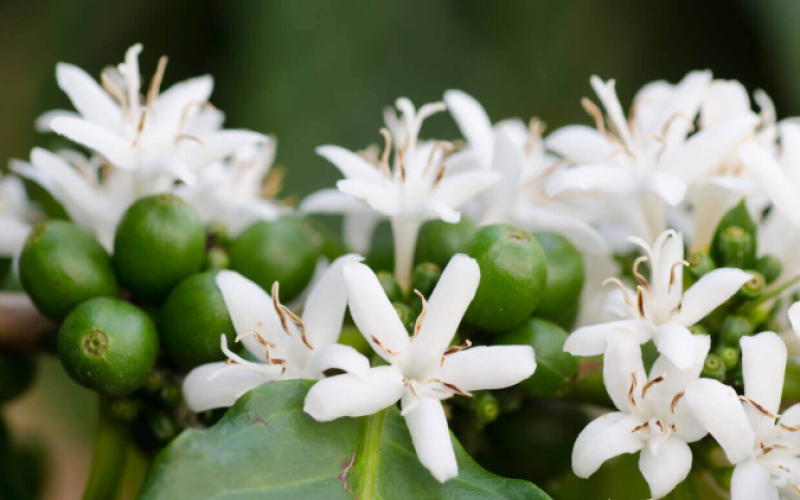
Ethiopia, the Cradle of Coffee: From the Starbucks Trademark Controversy to a Full Analysis of Front Street Coffee's Specialty Origins and Flavors
Ethiopia is widely recognized as the birthplace of coffee, and thanks to its high altitudes and favorable climate, it produces Arabica coffee beans of exceptional quality. Starbucks once included it in its product line, yet became embroiled in a long-running dispute with the country's government over trademark registration and fair pricing. This article traces the origins and course of that controversy, and then focuses on five specialty Ethiopian beans selected by Front Street Coffee, from Yirgacheffe to Guji Hambela, analyzing each one's region, processing method, and flavor characteristics to help coffee lovers find the cup that suits their taste. [more…]
Is Starbucks Americano actually bitter? Low-fat coffee recommendations suitable for women
Is Caffè Americano actually bitter? This is a question many coffee newcomers often ask. In fact, the Americano method originated in Europe and is made by combining hot water with espresso, giving it a subtly different taste from American-style brewed coffee. This article will start with the principles behind making an Americano to help you understand where its bitterness comes from, and at the same time recommend a few relatively light coffee choices at Starbucks for women who follow a low-fat diet, along with relevant recommendations from Front Street Coffee, so you no longer agonize over what to order. [more…]

Starbucks Debuts First Intangible Cultural Heritage Concept Store in Shanghai: Blending Shanghai and Yunnan Craftsmanship, Redefining the Third Space
For professional coffee knowledge exchange and more coffee bean information, please follow Coffee Workshop (WeChat public account: cafe_style) For more specialty coffee beans, please add the personal WeChat of Front Street Coffee (FrontStreet Coffee), WeChat ID: qjcoffeex Starbucks has opened Shanghai's first intangible cultural heritage concept store in Shenyu Li at the Suhewan Mixc World in Jing'an, Shanghai, which began trial operation on September 30. This store combines Yunnan ethnic minority craftsmanship with the design concept of Shanghai qipao, creating a unique venue that serves both as a third place and as an intangible cultural heritage art exhibition space. The store offers Reserve Yunnan coffee beans and incorporates interactive experiences such as siphon coffee brewing. This move continues Starbucks' public welfare trajectory since the "Rural Mothers Acceleration Plan" in 2020 and also echoes the current trend of guochao consumption. [more…]

Top Five Most Popular Starbucks Coffees and a 2023 Price Reference for the Full Drink Lineup
Walking into Starbucks but hesitating over the menu? This article rounds up the five most popular drinks among customers right now, including the Oat Latte, Iced Americano, Cold Brew, plus the caffeine-free Matcha Frappuccino and Iced Shaken Berry Hibiscus Tea, explaining each one's features and who it's best suited for. It also includes the 2023 price list for Starbucks' four major series—Handcrafted Espresso, Frappuccino, Teavana, and Cold Brew—covering full pricing from Tall to Grande and Venti, so you can quickly decide based on your budget and taste. Whether you're lactose intolerant, cutting sugar to lose weight, or simply want to try something different, you'll find your next cup here. [more…]
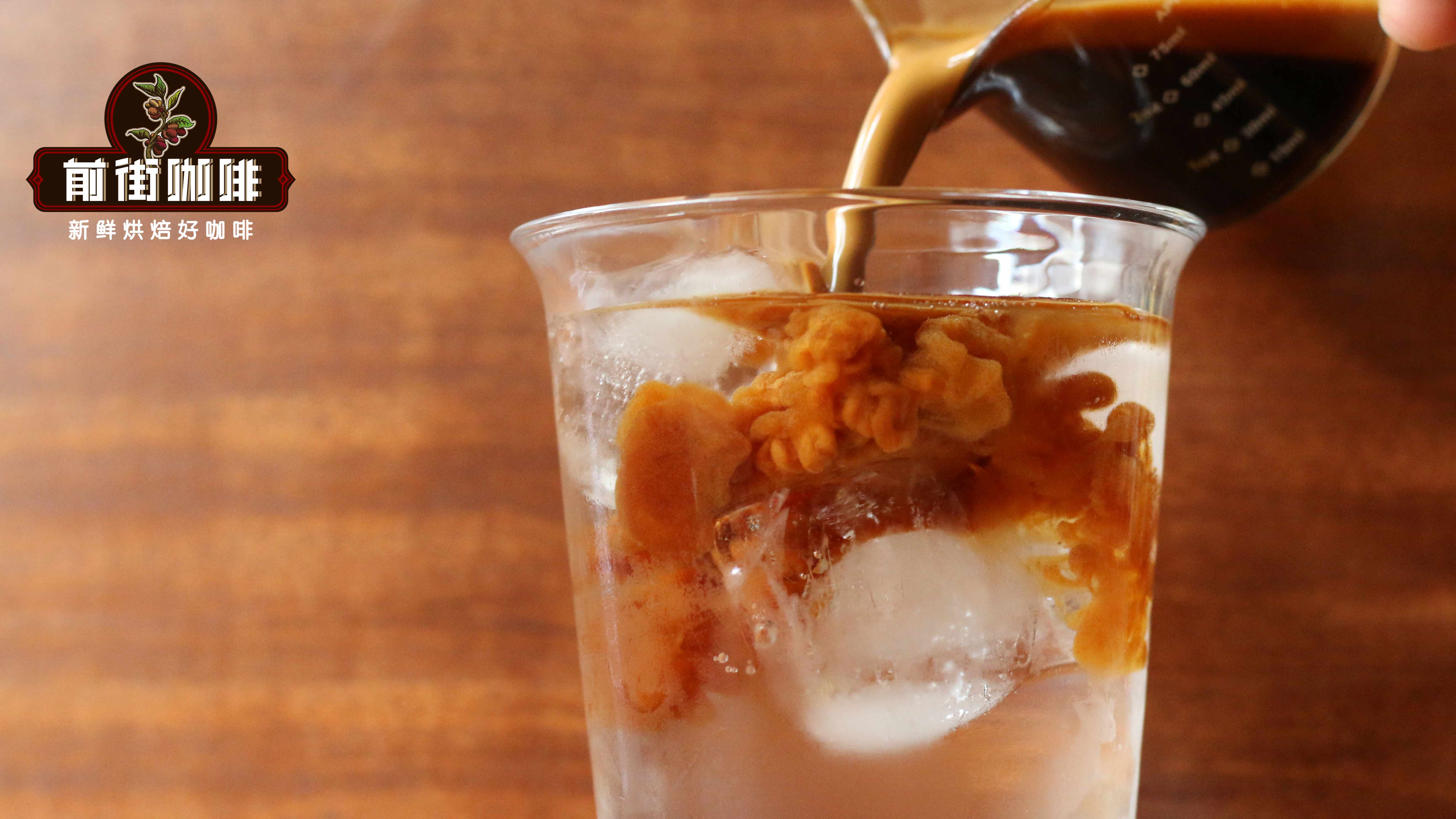
Make Starbucks Nitro Cold Brew at Home: A Detailed Guide to Nitro Cold Brew and Sparkling Black Coffee Recipes
On a scorching summer day, a glass of icy coffee always refreshes the spirit. When Starbucks introduced Nitro Cold Brew in North America years ago, its dense foam and creamy smoothness—created by infusing nitrogen—quickly won the hearts of many coffee lovers. So can this unique coffee experience be recreated at home? This article will explain in detail how to make cold brew coffee, breaking down everything from bean selection and grind ratio to the cold extraction steps, and share two practical methods for making nitro cold brew at home, so you can easily enjoy the refreshing flavor of bubbles interwoven with cold brew. [more…]